Last modified on:
The pasta aisles in supermarkets are chock full of different types of pasta. Usually, we just grab a big bag of the shape we like and go. But, as with most Italian foods, things were created for a reason: each pasta shape serves its own purpose.
Here’s a list of the different pasta shapes you’ll commonly see in the supermarket, as well as ideas on how best to use them.
Common pasta shapes
All of the following are typically made from four, simple ingredients: flour, water, eggs, and salt. Pastas are commonly found plain, however you can find coloured pasta. Green pasta is made with spinach; red colours are made with red pepper, tomato, or beets; and yellow from turmeric.
Long pasta
- Capellini: Angel hair pasta, cooks quickly. Good for serving in a broth or light sauces, such as oil or wine.
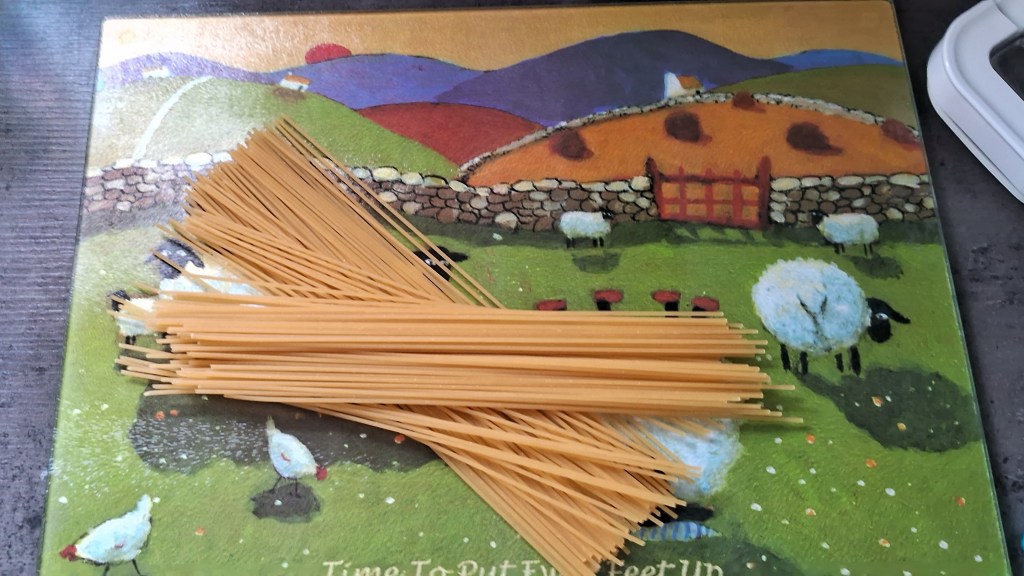
- Spaghetti: We all know what spaghetti looks like – long, thin round strands, a classic for tomato-based sauces.
- Linguine: Flat, narrow strands, similar to spaghetti. Best used in tomato- or oil-based sauces.
- Fettuccine: Wide flat ribbons, best paired with rich, butter-based sauces.
- Tagliatelli: Slightly wider than fettuccine, tagliatelli is traditionally served with meat sauces. Traditionally, this is the pasta paired with bolognese, unless you’re English and use spaghetti.
Short pasta
- Penne: A cylinder shaped pasta with diagonal ends. Penne is good for chunky meat or vegetable sauces. We often use it for Ragù alla Napoletana.
- Farfalle: This one’s easy to identify – it’s a bow tie. It’s used in oily or creamy sauces, for salads, soups, or light sauces.
- Fusilli: Corkscrew in shape, fusilli is good for trapping sauces. Pair with tomato, meat, or pesto sauces.
- Rigatoni: A tube with a two centimetre diameter with a ridged surface. Great for thick sauces or vegetable dishes.
- Macaroni: Short curved tubes. Macaroni is well known for mac and cheese, but it can be used in soups or as a sweet dessert.
- Conchiglie: Shell shaped pasta that is good for heavy cream or meat sauces. The larger conchiglioni can be served stuffed.
- Orzo: A confusing eating experience. Looks like rice, doesn’t taste like rice. Serve in soups.
Stuffed and al forno pasta
- Ravioli: Square or round, filled with various ingredients, such as beef or ham, cheese, or vegetables.
- Tortellini: Ring shaped pasta, filled with different combinations of ingredients.
- Cannelloni: Large tubes that can be stuffed and baked. Traditionally with meat or ricotta and spinach.
- Lasagne: Our favourite pasta dish, flat sheets used for layering with bechamel sauce and bolognese. You can go non-traditional – we commit an Italian food crime with our chicken lasagne – and use any sauce of your choice.
Last but not least…
- Gnocchi: Little flattened balls of flour, potato, and salt. If you dry your potato out before making gnocchi, you won’t need to use egg as a binding ingredient. These dumplings go with a wide range of pasta sauces, the simplest being pomodoro sauce with mozzarella.