If you’ve gone out and bought a bulk bag of fruit or vegetables to save money, or whether you’ve got a Too Good To Go bag containing four bags of carrots, you might be wondering the best way to preserve them. Or even, if you’ve got the freezer space, you might be looking at buying vegetables for Christmas to help spread the cost.
Whatever your reasons, to reduce food waste and get the most out of your money, it’s best to make sure you use all of the produce you buy. And one way of prolonging your produces lifespan is to freeze your food.
Which vegetables can I freeze without blanching?
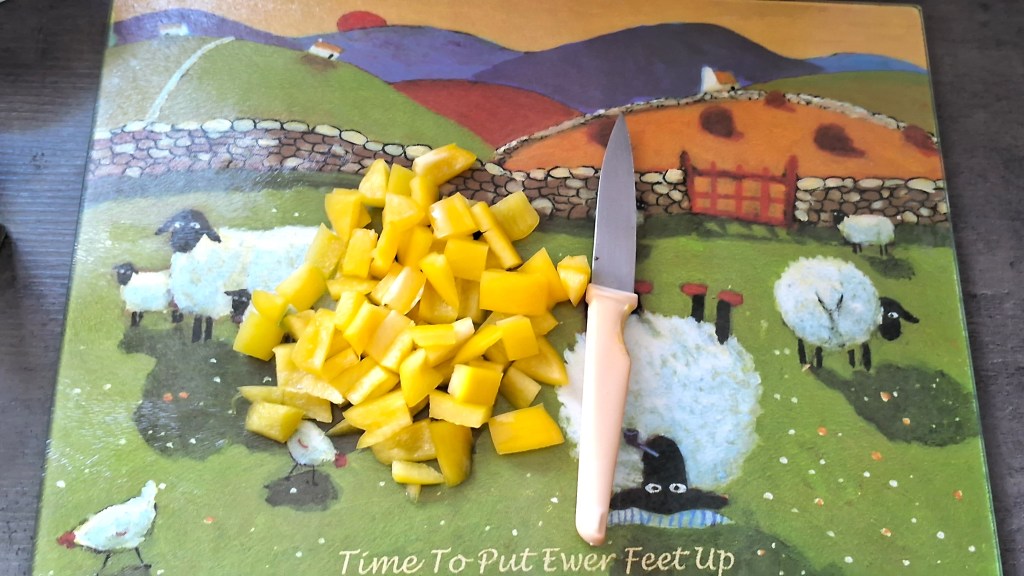
Firstly, we’ll run through the vegetables that can be frozen without being blanched (we’ll get onto what blanching is later).
All of the vegetables in this section follow the same process: chop how you intend to use them (you can slice some, dice others, or leave rustically chunky), place them into a freezer bag, seal, and freeze. This process is part of ingredient prepping – meal prepping with less commitment.
To keep individual parts loose, rather than have everything frozen in a singular block, you can freeze on a baking tray first, before then placing it into a bag. But, of course, that takes a lot of time and space. An quicker and lazier way to prevent the big, solid, frozen block would be to place your freezer bag into the freezer, then set a timer for one to two hours. At that point, you can separate all the pieces – as they’ll already be partially frozen, they shouldn’t stick back together.
So, what vegetables can be frozen without blanching?
- Some leafy greens, such as kale and spinach
- Peppers
- Onions
- Tomatoes – you can also freeze these whole as it’ll be easier to boil and remove the skin when using in a soup or sauce, such as bolognese
- Corn – these can also be frozen as whole cobs, not just individual kernels
Which vegetables need blanching?
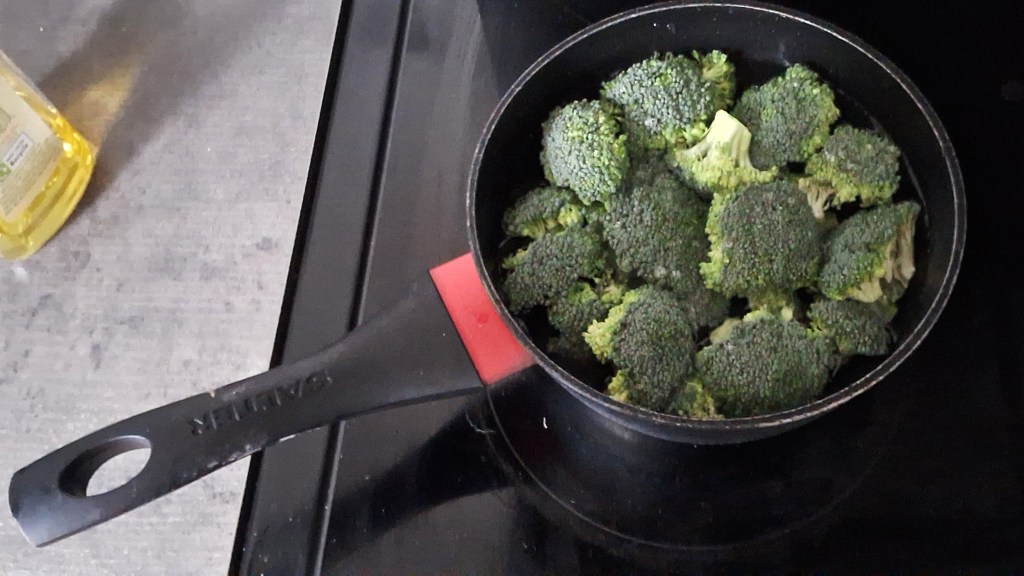
Blanching is a technique used when freezing some vegetables to prevent them losing their colour and flavour. When blanching, you quickly boil the vegetables to inactivate its enzymes; the heat denatures the enzymes which renders the protein structure useless. You then submerge in cold or icy water to stop the cooking process.
Blanching is essentially temperature shock therapy for produce. It has other benefits, too: it cleans the surface, helps to kill bacteria, brightens the colour, and helps prevent nutrient loss.
So, which vegetables need blanching?
- Green beans
- Broccoli
- Carrots
- Asparagus
- Peas
- Cabbage
- Brussel sprouts
How to blanch vegetables
- Bring a large saucepan of water to a boil.
- Wash and chop your veges
- Submerge in the boiling water between two and five minutes (thinner and daintier vegetables like cabbage might only need 30 seconds, whereas chunky carrots might need five minutes)
- Remove, drain, and plunge into a bowl of cold water
- Pat dry, portion, and freeze
Can I freeze fruits?
Yes.
Make sure you prepare your fruit first by peeling, coring, pitting, and slicing as needed. You can follow the same process as above, by freezing as one then separating when partially frozen, or you can lay them out in a single layer and freeze before putting them into a bag. Make sure you label each bag.
Berries are usually best frozen whole. Frozen berries are great for dropping into a bottle or jug with water for a tasty flavour infusion.
What produce can’t I freeze?
- Celery – it becomes more unpleasant in flavour, limp and soft
- Lettuce
- Radishes
- Potatoes – you cannot freeze raw potatoes. If you have some potatoes that are about to rot you can make wedges, roasties, chips, or mash and freeze when they cool down.
If you don’t want to waste any of the above, or you’ve got vegetables that you didn’t get to in time, then you can always put them in the compost. Or, if you fancy yourself a gardener, you can always plant your leftover veg.